Strength training has enjoyed a well-deserved rise in popularity over the past decade. From lifting weights in the gym to bodyweight workouts and functional fitness classes, more people are recognising the benefits of building strength for overall health and wellbeing.
At the same time, another area of fitness has been gaining attention: mobility. Once thought of as something only athletes, dancers, or people recovering from injury needed to focus on, mobility is now increasingly recognised as an important part of everyday movement.
It’s important to realise that mobility and strength are not competing goals. In fact, they work best together. Here’s how regular yoga classes can support you in achieving a well-rounded fitness routine.
What is the meaning of mobility in the context of physical fitness?
Mobility is often confused with flexibility, but the two are not quite the same. Flexibility refers to the length of a muscle and its ability to stretch. Mobility, on the other hand, is your ability to move a joint through its full range of motion with control and stability.
In simple terms, flexibility is about how far you can move, while mobility is about how well you can move.
For example, someone may be able to touch their toes, but struggle to maintain good posture during a squat or reach comfortably overhead. Equally, someone can be strong but still experience stiffness or restricted movement in certain joints.
Good mobility combines several elements, including:
- Joint movement
- Muscle flexibility
- Strength
- Stability
- Balance
- Coordination
Together, these help the body move efficiently during both exercise and everyday activities.
Why strength alone isn’t always enough
Strength remains an important part of any fitness programme. It supports bone health, muscle mass, balance, and physical function throughout life. However, strength is often most effective when it can be used through a comfortable and controlled range of motion.
Imagine building a powerful engine but fitting it into a vehicle with stiff steering and worn suspension. The engine may be strong, but the overall performance is limited.
The same principle applies to movement. If your hips, shoulders, ankles, or spine have limited mobility, everyday tasks and exercise may begin to feel less comfortable. You may compensate by moving differently, placing additional demands on other areas of the body.
This is one reason many fitness professionals now encourage combining strength work with regular mobility training.
Modern lifestyles can limit movement
Even people who exercise regularly may spend much of the day sitting. Desk-based work, long commutes, driving, and hours spent looking at screens can all influence the way the body moves.
Common effects include:
- Tight hip flexors
- Reduced spinal mobility
- Rounded shoulders
- Neck tension
- Stiff ankles
- Limited thoracic rotation
These changes do not happen overnight, but they can gradually influence posture and movement patterns over time.
Spending an hour in the gym does not necessarily offset eight hours sitting at a desk. This is why many active people are beginning to place greater emphasis on movement quality throughout the week, not just during workouts.
Why mobility supports strength training
Whether you enjoy weight training, bodyweight exercise, running, or recreational sport, mobility plays an important role in helping you move well.
For example:
- Hip mobility can support squats and lunges.
- Shoulder mobility can make pressing and overhead movements feel more comfortable.
- Ankle mobility contributes to balance and lower-body movement.
- Spinal mobility helps with rotation and posture.
When joints move more freely and muscles work together efficiently, exercises often feel smoother and more controlled.
Mobility training is not about pushing your body into extreme positions. Instead, it focuses on developing strength and control throughout a comfortable range of motion.
The role of yoga and pilates
Yoga and Pilates have become increasingly popular because they combine movement, strength, stability, and mobility in a single practice.
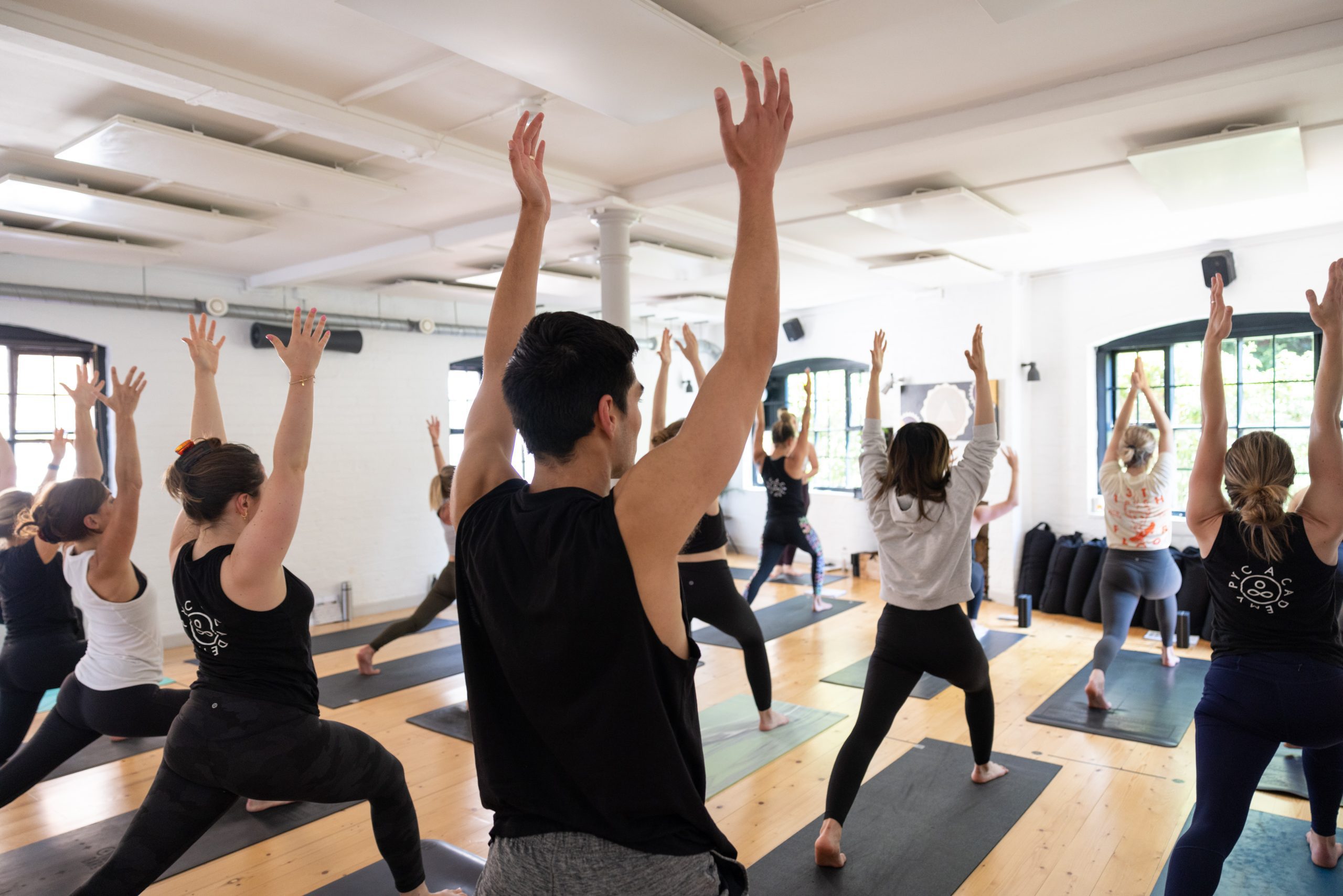
Power Yoga, for example, encourages flowing movement that challenges balance, coordination, and body awareness while also developing strength through bodyweight exercises.
Reformer Pilates uses controlled resistance to build strength while encouraging smooth, precise movement patterns. Mat Pilates similarly focuses on core stability, posture, and muscular control.
These practices often involve moving in ways that everyday life does not. Twisting, reaching, balancing, rotating, and moving through multiple planes can help challenge the body differently from repetitive gym exercises or prolonged sitting.
Rather than replacing strength training, yoga and Pilates can complement it by helping to improve movement quality alongside physical conditioning.
Mobility isn’t just for exercise
One of the biggest misconceptions is that mobility only matters during workouts.
In reality, good mobility supports many everyday activities, including:
- Walking comfortably
- Climbing stairs
- Carrying shopping
- Lifting luggage
- Playing with children
- Gardening
- Getting up and down from the floor
Moving with confidence and ease is something many people value regardless of whether they consider themselves particularly sporty.
As we move through different stages of adult life, maintaining mobility can also help us continue enjoying the activities we love, whether that’s hiking, cycling, recreational sport, or simply keeping up with busy daily routines.
Recovery matters too
Mobility work also plays an important role in recovery. After demanding workouts or busy weeks, it’s easy to focus solely on the next training session. However, giving the body time to recover is an essential part of making progress.
Practices such as yoga, gentle mobility exercises, or slower-paced movement sessions can help you reconnect with your body after periods of physical or mental stress.
Many people also find that combining movement with mindful breathing helps them transition away from work and into a calmer state, making mobility sessions feel restorative as well as physically beneficial.
Moving well for the long term
Strength will always be an important part of staying healthy and active. But increasingly, people are recognising that strength and mobility are not separate goals: they are partners.
Whether you’re new to exercise, returning after a break, or already enjoy an active lifestyle, combining strength training with practices such as yoga and Pilates can help you develop a body that is not only stronger, but also more adaptable and resilient.